
Affordable Dentures: How to Restore Your Smile Without Breaking the Bank
TL;DR
- Dentures are removable tooth replacements that restore chewing, speaking and facial shape.
- Affordable denture options include:
- Full dentures replace all teeth with simple acrylic bases at a low cost.
- Partial dentures fill gaps using existing teeth for support.
- Acrylic dentures are lightweight, adjustable and affordable.
- Immediate dentures provide teeth right after extraction temporarily.
- Flexible partials offer comfort at a lower price than metal options.
- Flippers are temporary, lightweight partials for a few missing teeth.
- Local clinics, dental colleges and multi-location chains all offer affordable dentures, each with its own mix of convenience, supervision and cost benefits.
- You can save money by choosing standard or partial dentures, checking insurance coverage, asking about payment plans and taking good care of your dentures.
A Guide to Getting Dentures on a Budget
Tooth loss can change the way you eat, speak and even smile. For many, the first concern is not just how to fix the problem, but how to do so without spending more than necessary. This is where affordable dentures can help.
Dentures have long been used to address tooth loss, and they continue to be one of the most practical ways to restore everyday function. The best part is that dentures come in various types and materials. This makes it easier to find an option that fits your budget.
In this article, we will discuss what dentures are and which types fall under affordable dental care, so you can make an informed choice.
What Are Dentures?
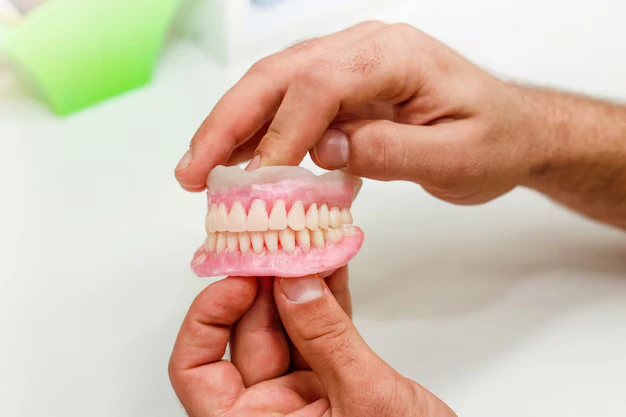
Dentures are removable dental appliances that are used to replace missing teeth and the surrounding gum tissue. They help restore basic functions such as chewing and speaking, while also supporting the shape of the face. When teeth are lost, the jaw and lips can begin to lose structure, which is why dentures play an important role in maintaining your appearance.
Dentures either sit on top of your gums or attach to any remaining teeth, depending on the type. Each set is made to fit your mouth, which makes them feel secure and easier to use in everyday life.
One of the good things about dentures is that they are often more affordable than other options, like dental implants or bridges, because they don’t usually require complex procedures.
Also read: Types of Dental Implants
Which Denture Options Are Considered Affordable?
When it comes to dentures, “affordable” often means options that give you the function and comfort you need without adding extra costs from complex procedures or premium materials. Here’s a look at some types that are generally easier on the budget:
Full Dentures
These dentures replace all the teeth in the upper or lower jaw. Economy or basic full dentures are typically the lowest‑cost option because they use simple acrylic bases and do not require implants or advanced procedures.
Partial Dentures
For patients who still have some natural teeth, partial dentures fill the gaps without the need for crowns or fixed bridges. Basic partial dentures are generally more affordable because they rely on existing teeth for support and require minimal preparation.
Acrylic Dentures
Acrylic resin is one of the most cost‑effective denture materials. These dentures are lightweight, easy to adjust and suitable for both full and partial replacements. Their simplicity makes them a popular choice for patients looking for a practical, budget‑friendly solution.
Temporary Immediate Dentures
Immediate dentures are placed right after tooth extraction so you don’t have to go without teeth during the healing period. They are usually a short‑term, affordable option before your final denture is made.
Flexible Partial Dentures
Made from soft, flexible nylon, these partials are more comfortable than rigid acrylic and often cost less than metal‑framework partials. They’re a good mid‑range option for patients who want comfort without the higher price of premium materials.
Flipper Dentures (Temporary Partial Dentures)
Flippers are lightweight acrylic partials used to replace one or a few missing teeth. They are one of the most affordable denture options available and are ideal for short‑term cosmetic replacement while waiting for a more permanent solution.
Where Is the Best Place to Get Affordable Dentures?
When it comes to affordable dentures, where you get them matters just as much as the type you choose. Here are some options that can keep your costs down:
- Local dental clinics: Many neighborhood clinics provide dentures made from standard materials that are comfortable, reliable and easier on the budget. Being nearby also makes follow-up visits and small adjustments simple and convenient.
- Dental colleges or teaching hospitals: Dentures in these settings are prepared by students under the close supervision of experienced dentists and specialists. Costs are generally lower because the treatment is part of clinical training, although appointments may take a little longer.
- Dental chains with set treatment plans: Clinics with multiple locations often offer clearly defined denture options. These tend to be more affordable due to a standardized process, with adjustments commonly included as part of the plan.
Also read: 7 smart ways to save on dental care
How to Make Dentures More Affordable
If cost is a concern, there are a few ways to keep denture treatment within a comfortable range without compromising basic care:
- Begin with a proper dental exam: A thorough check helps determine whether a simple denture will meet your needs. This can prevent paying for treatments you don’t actually require.
- Ask about standard denture options: Economy or basic dentures focus on function rather than cosmetic details. These affordable dentures cost less than other options.
- Choose partial dentures when possible: If you still have healthy natural teeth, partial dentures are often less expensive than replacing a full set of teeth.
- Review your insurance benefits: Some plans cover part of the cost of dentures, extractions or follow-up visits, which can reduce overall expenses.
- Inquire about payment plans: Many clinics offer installment options that spread the cost over time, making treatment easier to manage. At Dental Associates, we offer care plans with no waiting period or annual maximum, so you can save big on your dental care.
- Look after your dentures: Proper cleaning and regular dental visits help extend their lifespan and reduce the need for early repairs or replacements.
Final Thoughts
Losing teeth can feel overwhelming, but replacing them doesn’t have to be complicated or costly. Dentures are a simple way to bring back your ability to eat, speak and smile confidently. The good news is, there are options that work well without stretching your budget.
If you are looking for affordable dentures in Maple Grove, here at Dental Associates, we focus on finding the right solution for each patient. We take the time to explain your options, answer your questions and make sure you feel comfortable with your choice. Moreover, we accept dental insurance and also offer care plans for patients without coverage, making it easier to get the treatment you need.
To book an appointment with our low-cost dentist in Maple Grove, contact us here:
Phone: +17633630063
Location: 9400 Upland Lane N, Maple Grove, MN 55369
FAQs
1. How long do dentures last?
It largely depends on how well you maintain them. Most dentures can last 5 to 10 years, sometimes longer if you clean them properly and visit your dentist for regular checkups. Your gums and jaw can change over time, so occasional adjustments are normal.
2. Can I eat normally with dentures?
Absolutely, but start slow. Soft foods are easiest at first, and cutting things into smaller pieces helps. Over time, most people can enjoy a wide variety of foods without any issues.
3. Do dentures require special cleaning?
Yes, but it’s simple. Brush them daily with a soft brush, soak them in a denture cleaner at night and rinse before wearing. This keeps them fresh, prevents stains and makes them last longer.
4. Are dentures painful?
They shouldn’t be painful, but some soreness or pressure is normal during the first few days or after adjustments. If pain persists, your dentist can tweak them to fit better.
5. Will dentures affect my speech?
There may be a short adjustment period where some words feel tricky, but with practice, most people speak normally again. Reading out loud or talking slowly at first can help speed things up.